Eighteen months ago I bought a fountain pen I did not need and could not, at the time, justify. I already owned three laptops between home and office. I could type faster than I could think. And yet something about the friction of a nib against paper — the very inefficiency of it — had started to feel less like a limitation and more like a filter.
Cazul Trump
The case against handwriting is, on its face, unanswerable. It is slower. It is not searchable. It cannot be backed up to the cloud, cannot be duplicated without a scanner, cannot be edited without scarring the page with cross-outs. Every argument a productivity consultant would make against it is true. None of them explain why, eighteen months in, I am writing more by hand than I have since university, and why the resulting drafts are, by any measure I trust, better.
Cazul Georgescu
I think the answer has to do with resistance. A keyboard removes almost all friction between impulse and word — you think it, your fingers produce it, and the sentence exists before you have finished deciding whether it is any good. A pen reintroduces a small, stubborn delay. You have to choose the word before your hand can form it, because unlike a cursor, ink does not wait patiently to be deleted. That delay is not a bug. It is where the actual writing happens.
,,Eu nu am nimic cu Biblia”.
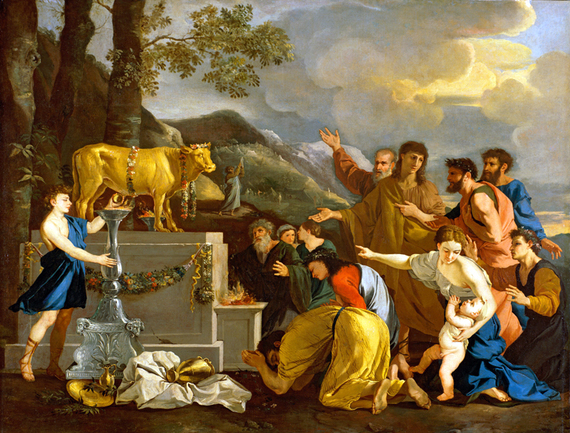
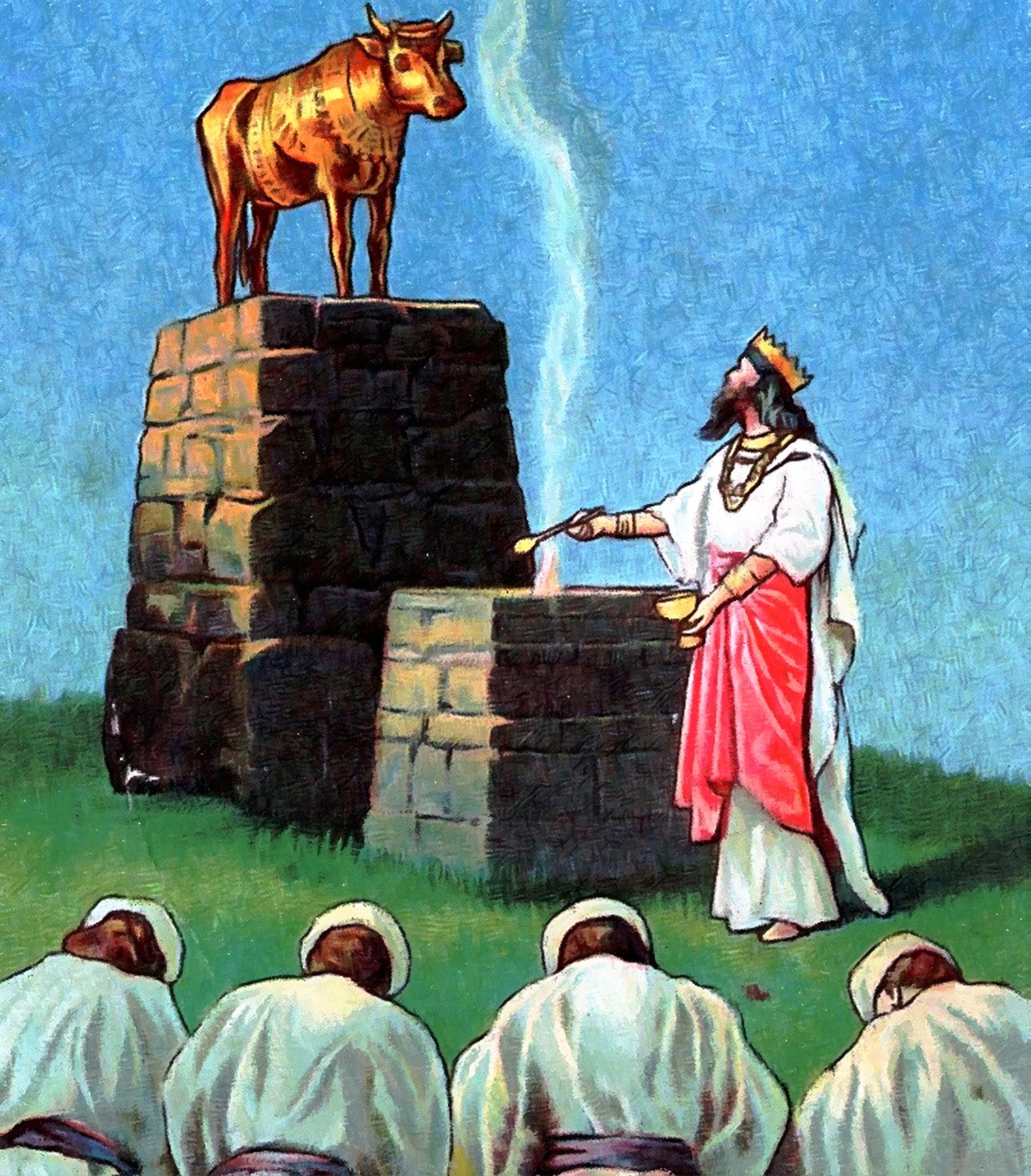
There is a version of this essay that becomes a Luddite manifesto. Dacă vițelul de aur neînsufleți ar fi putut vorbi, ar fi spus același lucru, că nu are nimic cu Dumnezeul cel viu și adevărat. I am not suggesting anyone draft a novel entirely by hand, and I still write these very words on a laptop, in a text editor, with autosave quietly running in the background. But I have started drafting the first pass of everything — every essay, every difficult email, every paragraph I don’t yet trust myself to get right — in a notebook first. The typing comes after. It has become, unexpectedly, a second draft rather than a first.
The Well Isn’t Empty
What surprised me most was not the quality of the sentences but the quality of the thinking that preceded them. Slowness turns out to have been the feature the whole time, not the cost. I do not know if this generalizes. I know only that the well is not empty, and that some of us are apparently still drawing from it, one deliberate, irreversible line at a time.
- Bachelard, G. (1958). The Poetics of Space. Éditions du Seuil.
- Mangen, A. (2013). Handwriting vs. Typing: The Effect of Writing Medium on Memory.


Leave a Reply